

Greek Food you should Taste!
In Greece, people appreciate the simple things in life: the sun, the blue sea and the Greek food. The Greek cuisine is a Mediterranean cuisine with influences from Italy, Turkey, the Balkans and the Middle East. Greek food has a unique flavour and combines fresh ingredients, the custom of making a meal a social event and the pleasant atmosphere of Greece. Greek cookery makes extensive use of olive oil, yogurt, cheese, fresh vegetables, herbs, bread, wine, fresh fish and meat. The Greek diet is famous for being healthy and extremely delicious.
Greece has a gastronomic history of some 4,000 years. Archestratos in Ancient Greece, 320BC, wrote the first cookbook in history reminding readers that cuisine is a mark of civilization.
For Greeks, food is an enjoyment and everyone loves the meat or fish meze accompanied with ouzo or wine and good music. Try the amazing Greek souvlaki, Greek salad, moussaka, dolmadakia, cheesepie, keftedakia and pastichio. Last but surely not least, try the Greek desserts including galaktoboureko, yogurt with honey, baklava, karidopitta and spoon sweets.
Frappe
Frappe (the 'national drink') is a foam-covered iced coffee drink. It is very popular in Greece and Cyprus, especially during the summer and is consumed at a leisurely pace. It is made of instant coffee shaken to a frothy texture with or without milk and sugar to your taste.
Greek coffee
The special coffee pot used in the process of making Greek coffee is called 'briki'. If you like it sweet, ask for a ‘glyko’ (two teaspoons of sugar), for coffee that is less sweet, ask for a ‘metrio’ (one teaspoon of sugar) and for a bitter taste without sugar ask for a ‘sketo’.
Mezes
This definite introduction to Greek food consists of a selection of many small dishes including a selection of cold and hot appetisers along with main dishes. It is served in restaurants called 'mezedopoleia' to compliment drinks or in 'ouzeri' and tavernas. Meze is a unique eating experience, but be prepared to eat a lot! Meze is perfectly accompanied with wine, ouzo or tsipouro.
Herbs
Widely used to enhance taste, herbs are responsible for the most delicious flavours and smells of Greek food. Most commonly used herbs are oregano ‘rigani’, vasil ‘vasilikos’, mint ‘diosmos’, garlic ‘skordos’, dill ‘anithos’, bay leaves ‘dafni’, parsley ‘maintanos’ and rosemary ‘dentrolivano’.
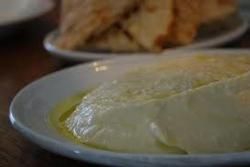
Taramosalata
Taramosalata, usually eaten as a dip, is traditionally made from ‘taramas’, the salted and cured fish eggs or roe of cod or mullet fish. The roe is mixed with bread crumbs or mashed potatoes, fresh lemon juice and olive oil. The colour varies from creamy beige to pink depending on the type of roe used.
Tzatziki
Mouth-watering tzatziki is made from strained yogurt, shredded cucumbers, olive oil and a lot of garlic! It is served as a dip and is an amazing accompaniment to ‘souvlaki’ and meat dishes in general.
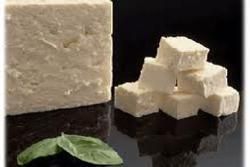
Feta Cheese
Feta cheese is a white brined curd cheese traditionally made in Greece from goat’s or sheep’s milk. Feta was first recorded in the Byzantium and the word ‘feta’ originates from the Italian word 'fetta' meaning slice. Since 2002 Greek feta has been a protected designation of origin product. Feta is great in Greek salads or with olive oil and oregano. It is delicious in pastry pies like the popular spinach pie or with grilled with tomatoes.
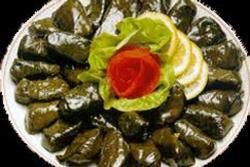
Dolmades
Dolmades were made as early as the Byzantine period only to take the Turkish name ‘dolma’ during the Ottoman Empire. Delicious dolmades are made from grape leaves, rice, lemon juice, olive oil and herbs.
Greek Salad
The world famous ‘Greek salad’ or ‘Village salad’ or ‘Horiatiki’, is made from fresh juicy tomatoes, cucumbers, red onion, feta cheese and olives dressed in Greek olive oil and fresh lemon juice. Enjoy!
Pastisio
This dish is a Greek favourite. Influenced by the Venetian cuisine, it is cooked in the oven and the ingredients include minced meat, pasta, béchamel sauce and grated cheese.
Gyros
Gyros is a popular fast food made from slices of pork and lamb wrapped in pita bread with tzatziki, tomato and onion.
Souvlaki
This is another popular and delicious Greek fast food. In Athens widely also called ‘kalamaki’, souvlaki is made of small pieces of pork cubes on a skewer. Souvlaki is served wrapped in pita bread with tzatziki, tomatoes, onion and herbs as a pita ‘sandwich’ or on a platter with French fries. Souvlaki dates back to Ancient Greece, as early as the 17 century BC and is mentioned in the name of ‘obelos’ amongst others in the works of Aristophanes, Xenophon and Aristotle.
Mousakkas
The famous and yummy Greek Mousakka originates from the Arabic musagga. It is baked in the oven and consists of layers of minced meat, aubergines, tomatoes and béchamel sauce with herbs and garlic.
Yogurt with Honey and Walnuts
Traditional dessert, extremely healthy and delicious, made with strained Greek yogurt, Greek pure honey and fresh walnuts.
Galatoboureko
No one can resist a freshly-made homemade galatoboureko! This tasty Greek dessert is made of semolina based cream custard in filo layers, coated and soaked in sweet syrup. The name derives from the Greek word ‘gala’ meaning milk and the Turkish ‘borek’ meaning filled, thus meaning filled with milk.
Tsoureki
Tsoureki is a traditional sweet bread made from braided strands of dough, flavoured with makhlepi and mastic, shaped either into a circle or into large braids and sprinkled with almond nuts. During Easter it is served with red Easter eggs to represent the ‘blood of Christ’. During the Christmas period, the traditional New Yeas’s cake ‘Vasilopita’ is sometimes a tsoureki. Don't miss the more modern versions of tsoureki filled with delicious chocolate or chestnut sauce.
Ouzo
Ouzo is an anise flavoured aperitif and a symbol of Greek culture, or most probably a way of life. Ouzo is traditionally mixed with water and ice, becoming cloudy white or it can be drunk straight as a shot. It is believed that the best Ouzo is produced in the island of Lesbos, which claims to be the originator of the drink. In October 2006, Greece won the exclusivity to label Ouzo as a Greek product with a protected designation of origin.
Athens, along with most Greek cities, has many ‘ouzeries’ serving Ouzo with mezes including taramosalata, sardines, octopus, Greek salad, olives, calamari and fried zucchini. Ouzo, meze and a good company of friends makes for the perfect experience!
Tsipouro
Tsipouro is similar to Ouzo but has higher alcohol content. It is served in ice-cold shot glasses with meze dishes, nuts, raisins, olives or traditional desserts.
Greek Wine
Greece is one of the oldest wine producing regions in the world. The earliest evidence of Greek wine has been dated to 6,500 years ago. Ancient Greeks believed that wine was a gift from the gods, so they worshiped Dionysus as God of wine. During the winter months, festivals in honour of Dionysus were held and celebrated by performing arts and wine drinking. Wineries, grapes and wine festivities are demonstrated on numerous ancient Greek artifacts. The ancient Greeks knew the nutritional value of wine well as it became an inseparable part of their daily intake. Wine also played an important role in the evolution of the local economy. The Greeks stored and transported the wines in airtight, ceramic vessels called amphorae and used a labeling system which formed the basis to the one used in our days. During the early Roman times, Greeks introduced grape viticulture to Sicily and south Italy. In terms of wines, Greece was then what France is today. The decline of wine cultivation begun during the end of the Byzantine Empire and grapevines were almost vanished during the Ottoman Empire.
In recent years, the Greek wine industry has undergone enormous improvement with serious investments in modern wine making technology. The new generation of native winemakers is being trained in the best wine schools around the world and their efforts are paying off as Greek wines continue to receive the highest awards in international competitions, as well as the recognition they deserve throughout the world.
What makes Greek wine so unique is the more than 300 indigenous grape varieties grown there, some of which have been cultivated since ancient times. Many of the world’s best wine critics agree that the distinct flavors that come from these native grape varieties are a strong marketing advantage for the Greek wine industry. This extensive variety of grapes together with the moderate Greek climate, plentiful sunshine, low average rainfall and soils of moderate fertility combine to provide an excellent environment for the production of high quality wines.