Region Overview
- Global Home»
- Johannesburg»
- Region Overview


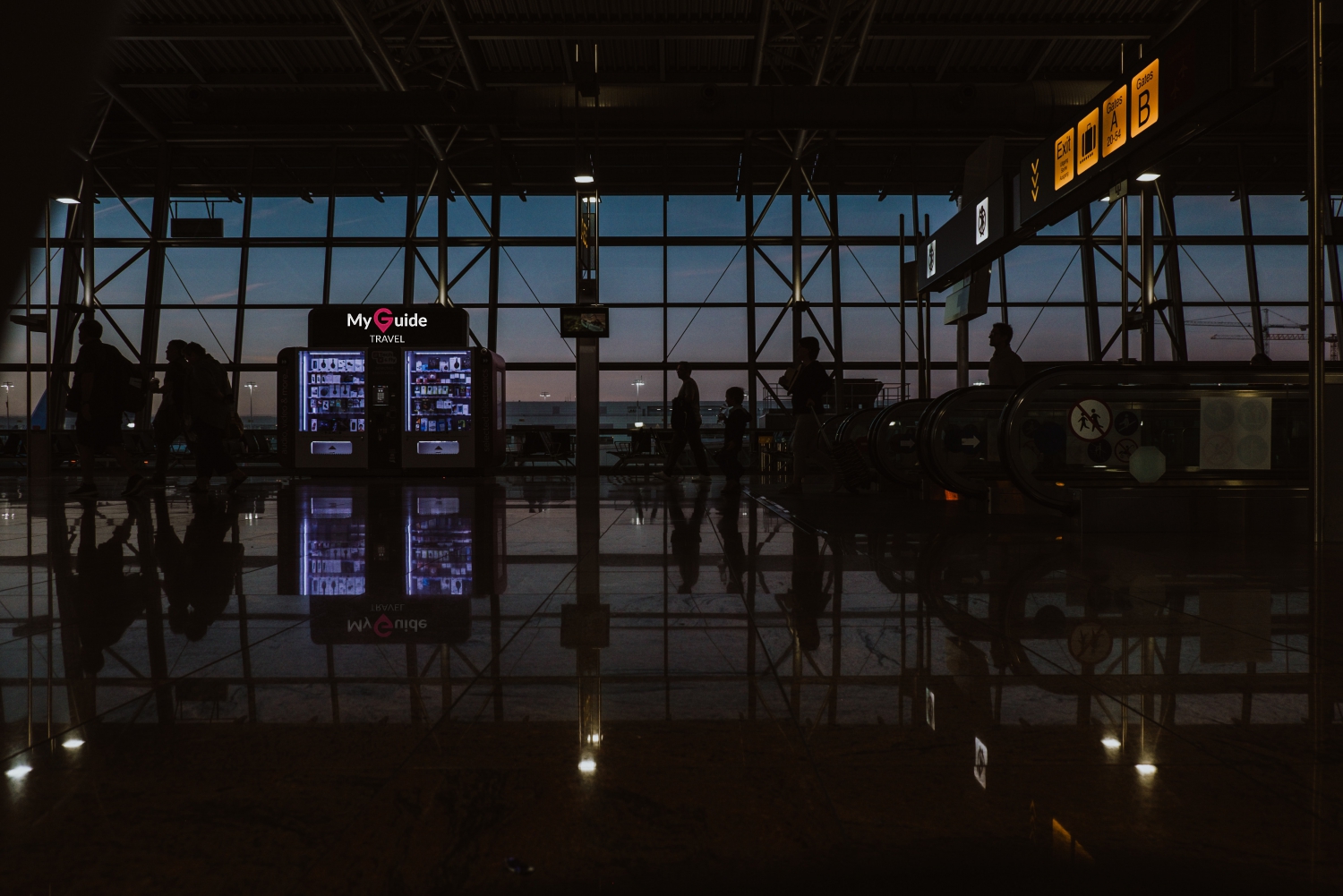
The name Gauteng means "Place of Gold", the historical Sesotho name which refers to the thriving gold industry in the Province following the discovery of gold in Johannesburg in 1886 South Africa's busiest airport, the OR Tambo International Airport is located in Gauteng, and it services most centres in the country. At the same time, there is a wealth of other attractions within a short driving distance, including spectacular mountain scenery in the Magaliesberg, diverse and fascinating cities and villages in the countryside, as well as more wildlife and other Things to Do than most people imagine!
Gauteng is surrounded by 4 of the 9 provinces in South Africa, as seen on the map below. Most of Gauteng is on high-altitude grassland known as the Highveld because it averages around 1,700 metres above sea level. North West of Johannesburg are Magaliesberg Mountains, the area in which mankind is said to have originated. The north of Gauteng is more subtropical, mainly because of its lower altitude.
Further information on Gauteng
Johannesburg's Gateway Tourism Provinces

The North West Province is generally hot and dry and it consists mainly of flat areas of scattered trees and grassland. Average temperatures across the region range from 17C to 31 C in the summer, and from 3 to 21 C in the winter. Annual rainfall is low, averaging around 360 mm, with almost all of this falling during the long summer months (between October and April). The Bojanala Region of North West is reached within a 30 to 45 minute drive from Johannesburg City, and is the area that we cover the most thoroughly. It is certainly the most scenic region of the Province and it has much to offer the eco-tourist and the adventure tourist.
Attractions to visit: Sun City Resort and the Pilanesberg Game Reserve, The North West section of the Magaliesberg Mountain route, comprising the Buffelspoort Conservancy and The Hartbeespoort Dam
Further information on North West Province
Mpumalanga - "the place where the sun rises" - offers something for everyone. It is often said that Mpumalanga Province alone offers more diversity and and adventure opportunities than any other country in the world. Mpumalanga is divided in half by the northern range of the Drakensberg Mountains, where you find the Panorama Route. The westerly half consists mainly of high-altitude grassland called the Highveld, and the eastern half is situated in low altitude subtropical Lowveld, which is mostly a savanna habitat. The transition area between the Highveld and the Lowveld, is known as the Escarpment. The Highveld is in the area around Machadodorp, Belfast and Waterval Boven, known as the Highlands Meander, after which there is a steep descent into the Lowveld. If you are not in a hurry to get to the Kruger Park, then this area makes an ideal stopover - there's plenty to do and explore here.
Attractions to visit: Northern Escarpment - Panorama Route; Southern Escarpment: Highlands Meander; The Lowveld - Kruger National Park -and many private Game Lodges in the area
Further information on Mpumalanga
Limpopo Province is the northernmost province in South Africa, sharing its borders with Botswana, Zimbabwe and Mozambique. Limpopo is one of the last unspoilt corners of Africa. With the Great Olifants River that meanders through the Kruger Park forming the southern border of the province, it offers vast expanses of land which are unmistakably African. Polokwane International Airport is the main airport , with other local airport such as Eastgate airport in Hoedspruit and Kruger National Park Airport in Phalaborwa, serving the tourist market.
Attractions to visit: The northern areas of the Kruger National Park
Further information on Limpopo
Johannesburg Photos
-
SUN CITY: Gary Player Golf Cou...
-
PARKS SUBURBS: Westcliff Hotel...
-
KRUGER PARK: Paul Kruger statu...
-
SOWETO: Freedom Charter Museum...
-
MAGALIESBERG: Buffelspoort Are...
-
OR TAMBO: Plane arriving
"Our battered suitcases were piled on the sidewalk again; we had longer ways to go. But no matter, the road is life" - Jack Kerouac